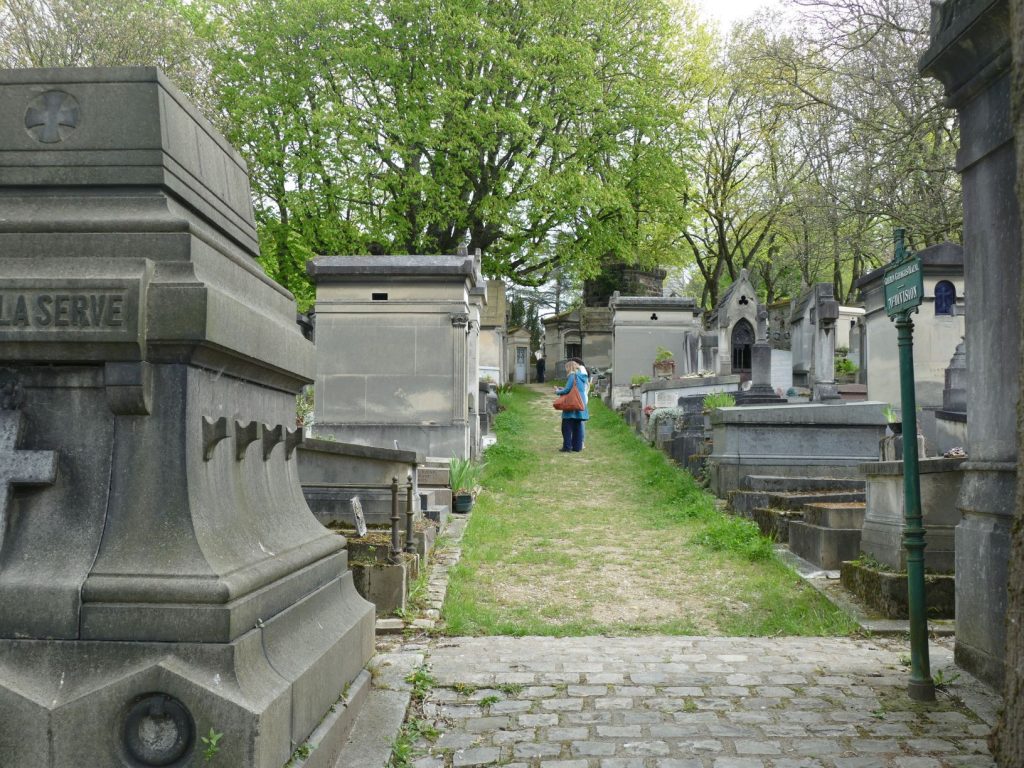
April 5 – While most tourists coming to Père Lachaise Cemetery hasten to the tombs of Jim Morrison & Oscar Wilde, Parisians view it less like a cemetery and more like a quiet, sprawling park where history just happens to be buried – casual strollers pass stroller-pushing young families; secluded benches enable picknickers and readers.
As you wander its cobbled paths, you pass old ivy and lichen covered tombs, elaborate mausoleums, & stark modern slabs. It’s peaceful, a bit haunting, and strangely beautiful, especially the just greening trees forming a cathedral nave on this Easter Sunday. Early spring flowers provide dashes of color.
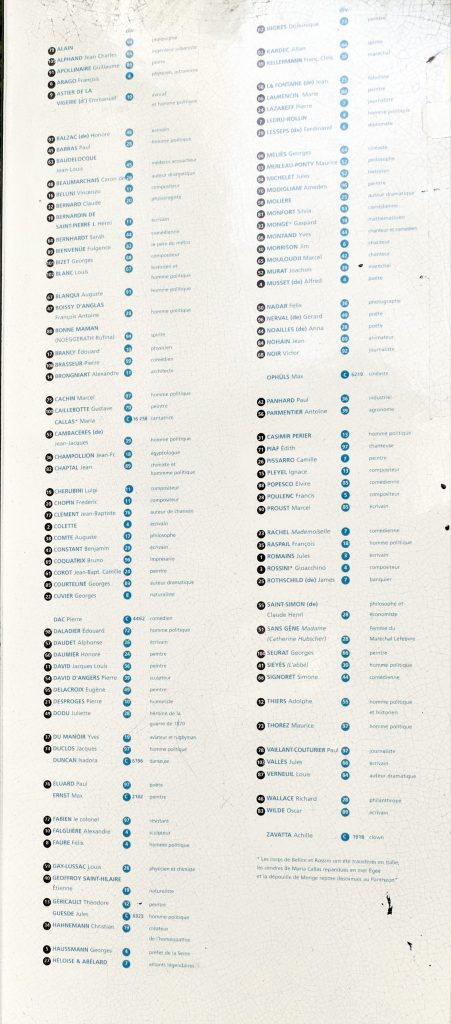
And then, almost casually, you spy names you recognize — Chopin, Bizet, Proust, Colette—which gives the place this surreal mix of everyday quiet and cultural weight.
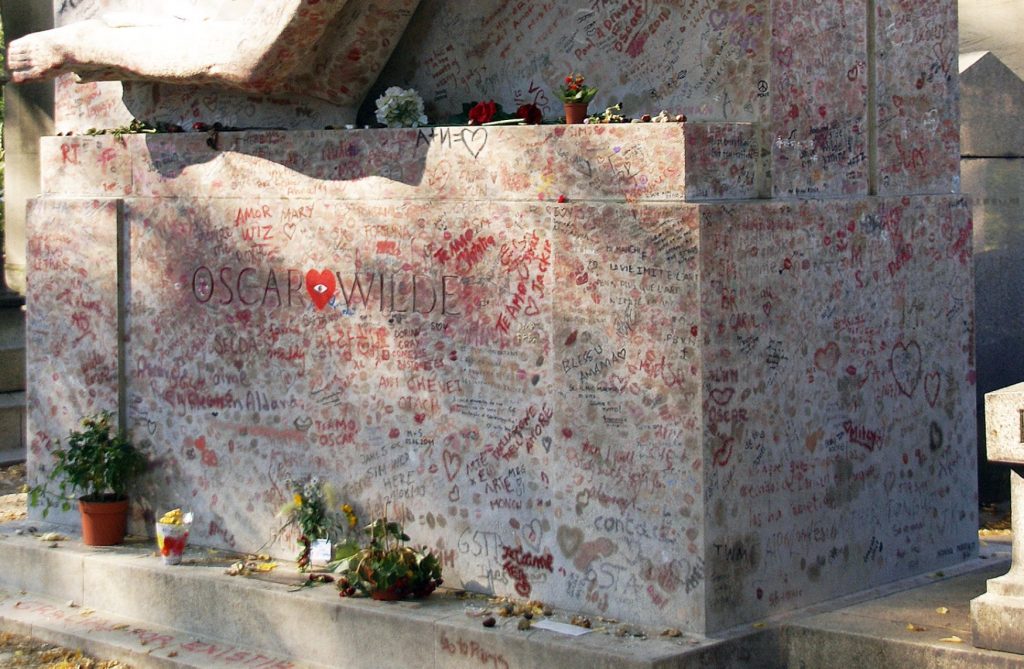
Oscar Wilde’s tomb had so many painted kisses and loving graffiti that it had to be fenced off.
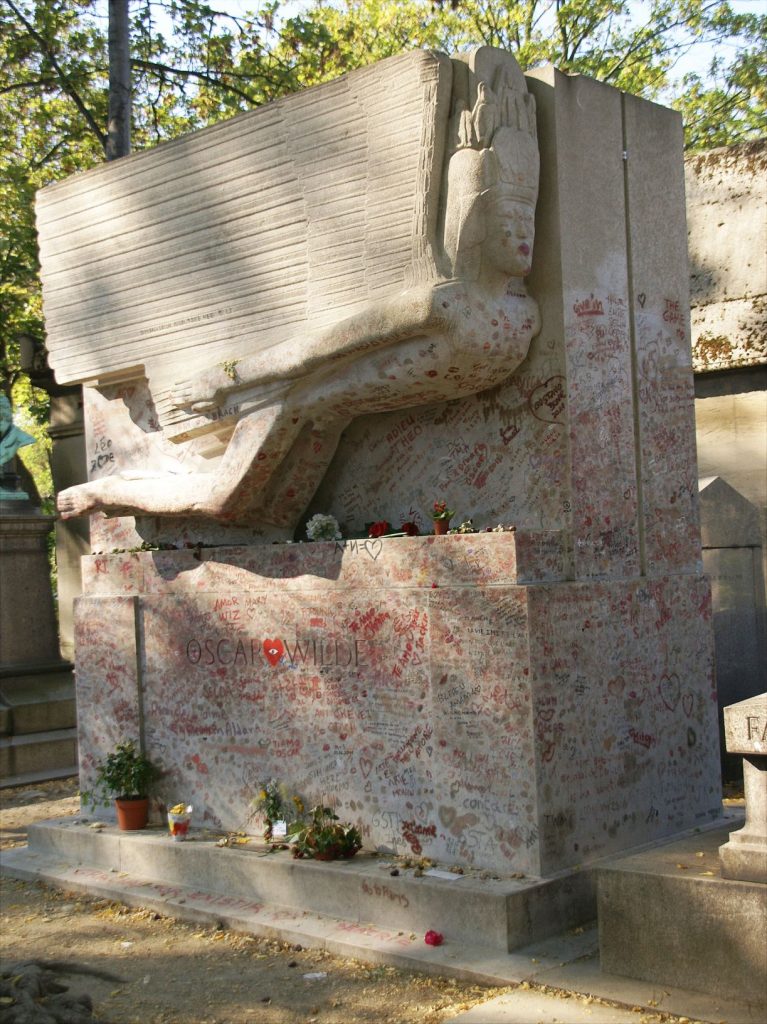
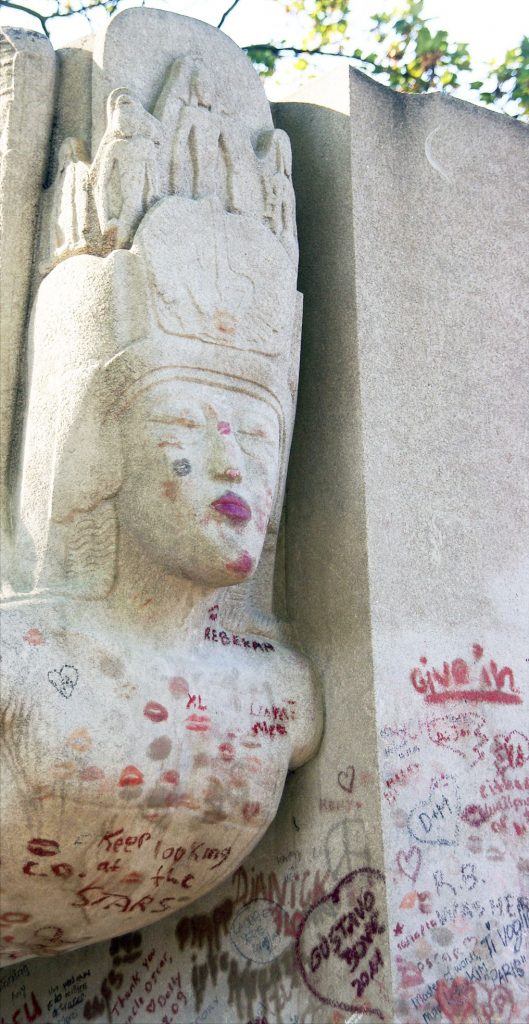
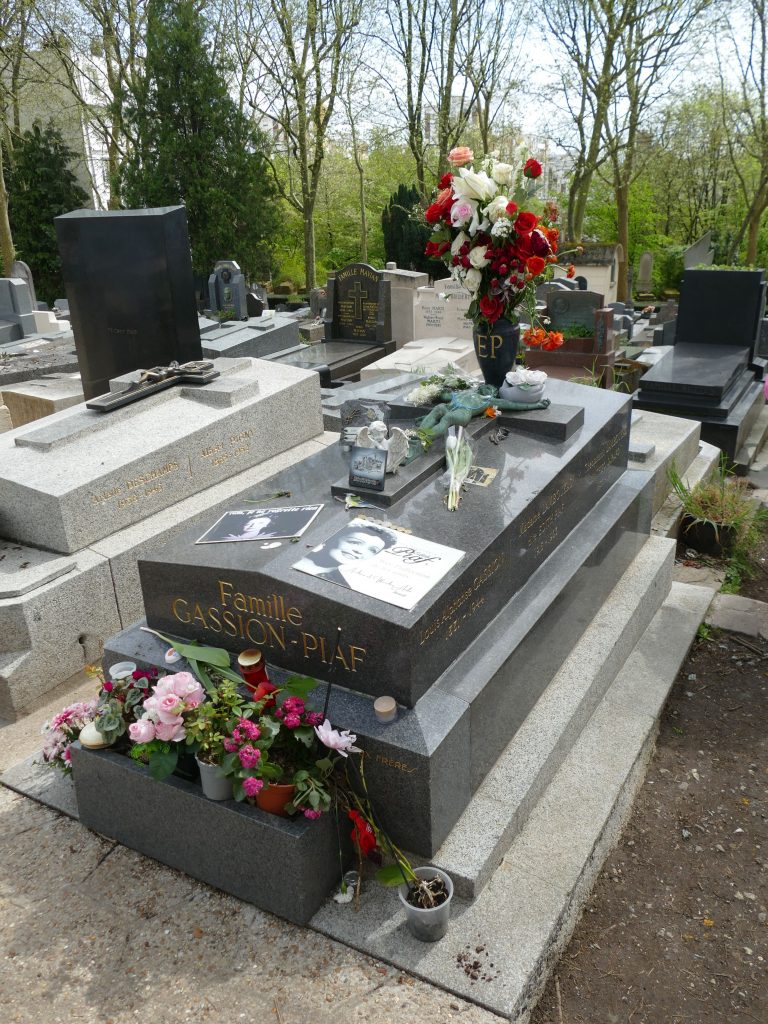
I usually just wander, with a few specific sites to visit. This time I visited Edith Piaf’s tomb, recalled as we had an excellent singer covering her one evening during our Seine River cruise to Normandy. As often happens on my way out I suddenly saw Balzac staring down at me.
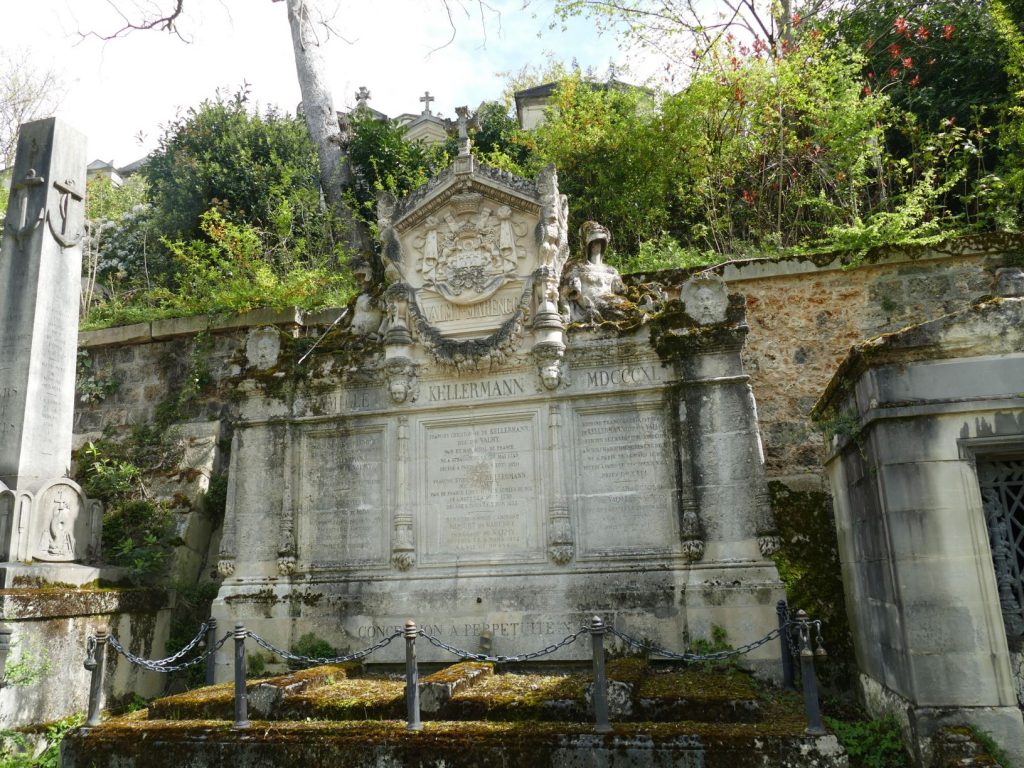
I spent 3 hours walking the main paths and the narrow winding footpaths. In the past, my interest in the Napoleonic era, has led me to seek out the grand military tombs of Napoleon’s marechals among them Ney, Murat, Massena, Soult, Davout — this time I randomly happened on those of Suchet & Kellerman
But the current tranquility of this place is deceptive. Created after the disastrous defeat by the Prussians, the final days of the Paris Commune came to a brutal close inside Père Lachaise Cemetery. By late May 1871, government troops had pushed deep into the city during what’s known as the “Bloody Week,” crushing the last pockets of resistance street by street.
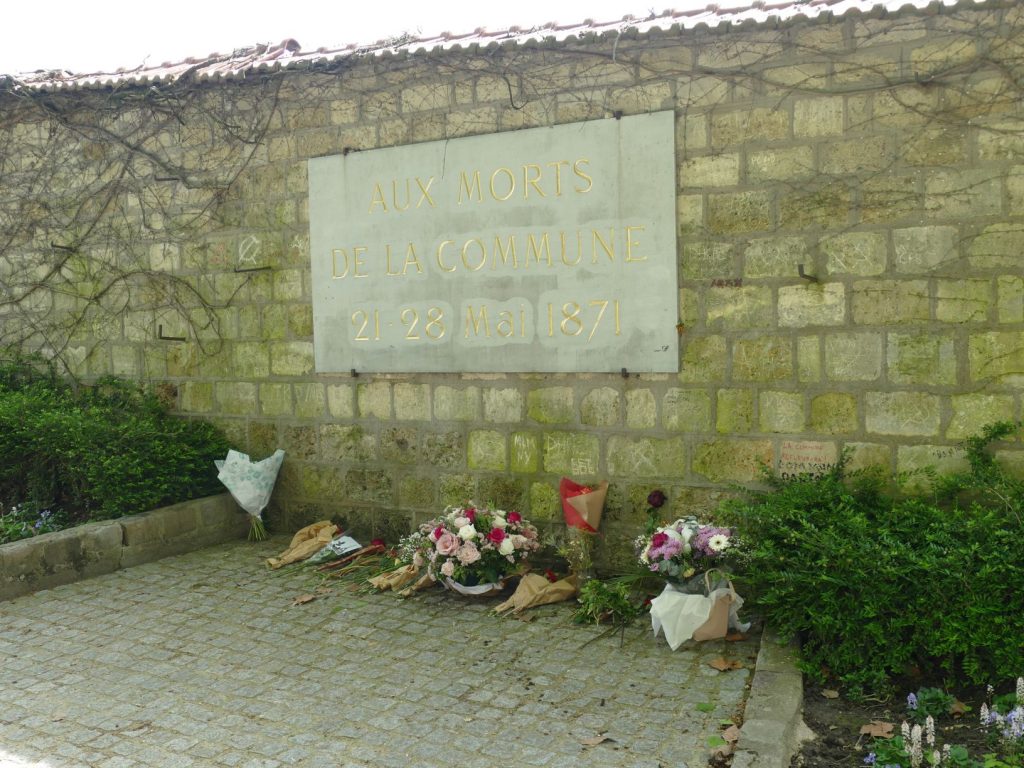
In Père Lachaise, a group of Communards made their final stand. They fought among the tombs, using the cemetery’s winding paths and stone monuments as cover. It was desperate and uneven—outnumbered, outgunned, and with nowhere left to retreat.
When they were finally captured, around 150 fighters were lined up against the cemetery wall and executed by firing squad. That spot is now known as the Mur des Fédérés. —plain, unadorned compared to the elaborate graves elsewhere. I head there on each visit – it’s on the far northeastern wall – a winding way from the southwestern entrance – taking a different path each time.
What happened there wasn’t just the end of a firefight, but the symbolic end of the Commune itself. Standing at that wall now, which is easy to miss if you don’t know its history, I find the whole cemetery feels different, surpassing the collection of individual tombs & monuments. The anonymity of the communards contrasts with the famous people many come to visit.
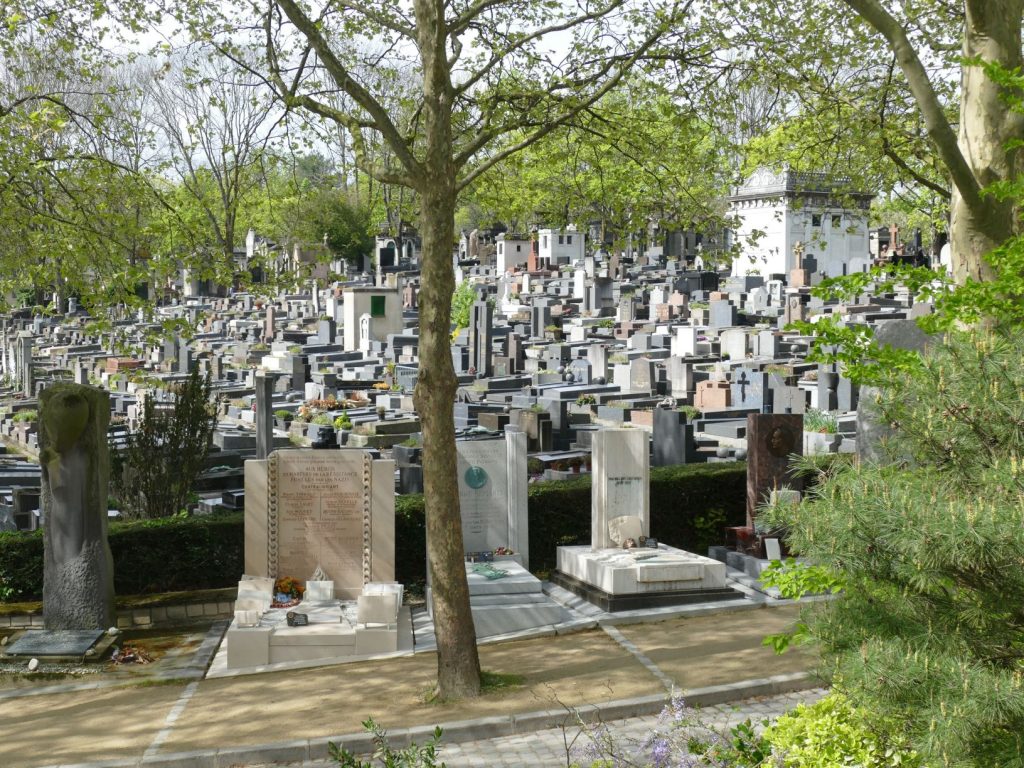
And a short walk from the Mur des Fédérés, a series of memorials quietly honor French victims of the Nazi concentration and extermination camps, marking those deported or killed, often listing names or bearing short dedications.
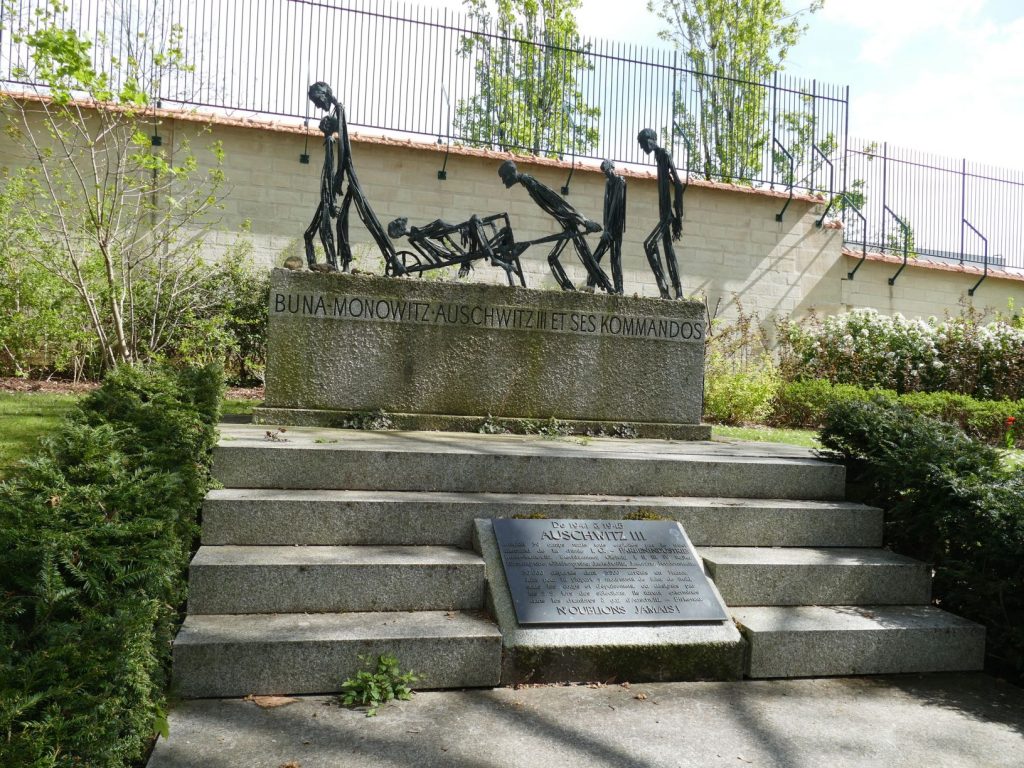
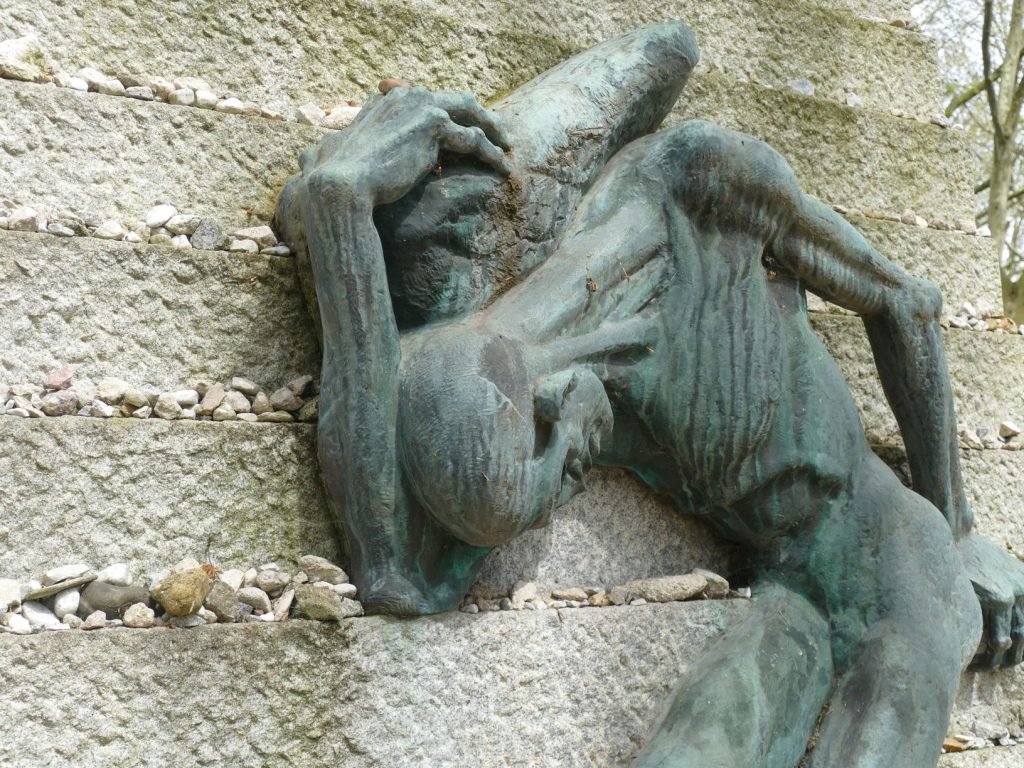
The use of abstract symbols—barbed wire, chains, or skeletal figures can only hint at their suffering and resilience. Their witness contrasts with the dramatic history of the Communards nearby. Walking through these so different tragedies of French history, separated by less than a century, you feel the weight of both the 1871 uprising and the horrors of the Holocaust, layered in what had appeared to be a quiet corner of Paris.
Coda:
Here are some of the most visited gravesites. This list blends culture, history, and collective memory, making Père Lachaise a unique mix of art, politics, and personal stories—all walkable in one exploration.
- Édith Piaf – The “Little Sparrow” a symbol of French chanson.
- Frédéric Chopin – Romantic composer; a simple yet elegant grave with a piano motif.
- Marcel Proust – Literary giant behind In Search of Lost Time.
- Honoré de Balzac – Author of La Comédie Humaine; tomb resembles a small temple.
- Molière – Memorial honoring the iconic dramatist of French comedy.
- Georges Bizet – Composer of Carmen; modest, elegant resting place.
- Gertrude Stein – Central figure in Paris’s literary and art circles.
- Colette – Author of Gigi; her grave celebrates her literary influence.
- Isadora Duncan – Pioneer of modern dance, buried quietly among trees.
- Théodore Géricault – Known for The Raft of the Medusa, his grave reflects artistic significance.
- Alfred de Musset – Romantic literary figure; small, elegant monument.
- François Truffaut – Celebrated director of French New Wave cinema.
- Jacques Offenbach – Composer of operettas; ornate tomb.
- Sarah Bernhardt – Legendary stage actress with an elaborate, theatrical tomb.
Coda 2:
Afterwards a great late lunch at Zagora, a nearby Greek restaurant – Menu de jour:
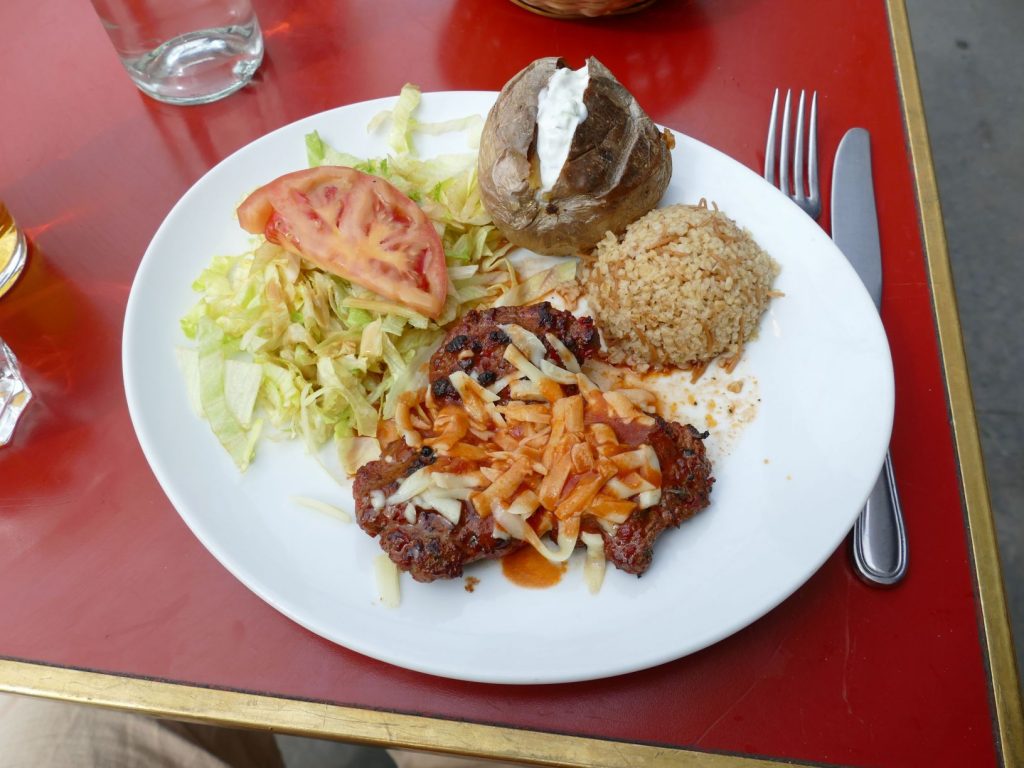
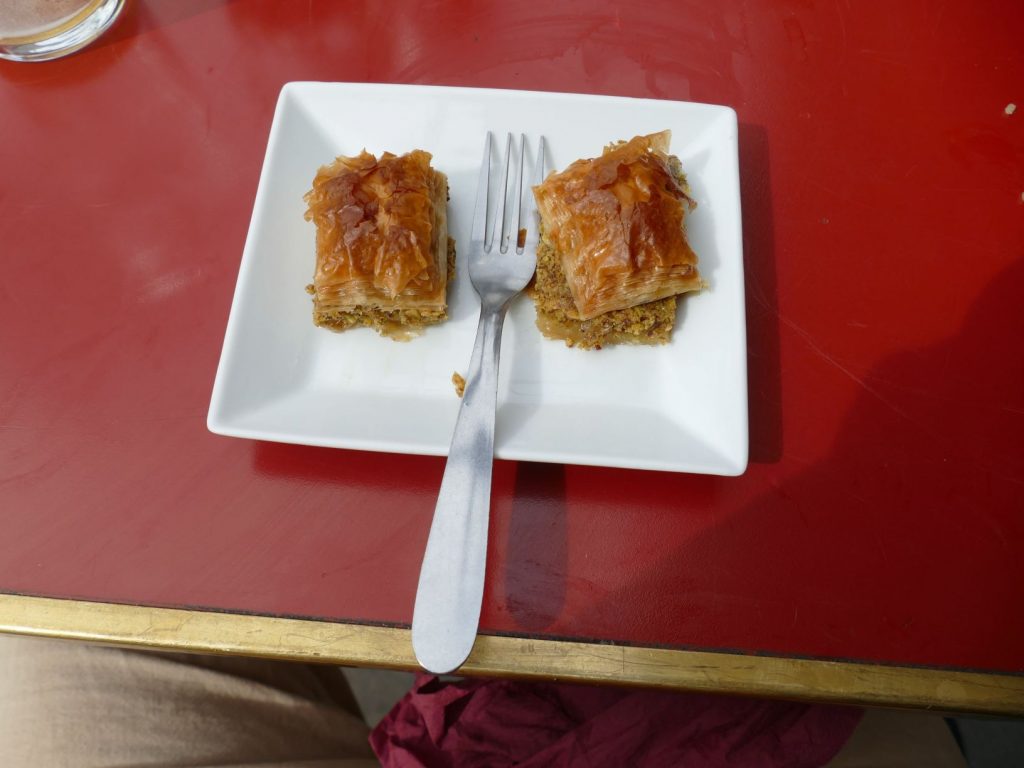
- Taramasalata – a creamy blend of fish roe, lemon juice, and olive oil served with warm pita bread.
- Boulettes de boeuf – described as ‘dumplings’, actually Turkish style meatball kebabs
- Baklava (needs no introduction)
- Biere
- Espresso
